
Ugly Dumpling Book Club Questions
I hope these questions spark meaningful conversations. If you’d like, I’d be delighted to join your discussion—in person or on Zoom. Email me at ElaineYu.Author@gmail.com with the subject line: Book Club
Elaine
Elaine's childhood apartment in Honolulu serves as both the beginning and ending point of the memoir. Why do you think she returns there in memory after a lifetime that takes her from immigrant poverty to Stanford and Silicon Valley? What does the apartment come to represent by the end of the book?
Throughout the memoir, Elaine is often made to feel different because of her race, poverty, family circumstances, or simply being different. Which moments stood out to you, and have you ever been judged for something beyond your control?
When Elaine arrives at Stanford, she feels out of place among students whose backgrounds and opportunities seem very different from her own. Have you ever entered a new environment and questioned whether you belonged there?
Elaine and her brothers often had to navigate challenges that many children never face because their mother was a single parent struggling with mental illness. How did these experiences shape the people they became? Are there experiences from your own childhood that still influence your life today?
One of the central tensions in the memoir is that Elaine's mother is both deeply loving and, at times, unable to provide stability because of her mental illness. How did this complexity affect your understanding of their relationship?
How did Elaine's childhood experiences influence the way she raised Joanna and Jacob? In what ways do you think parents consciously—or unconsciously—carry lessons from their own childhood into the next generation?
Near the end of the memoir, Elaine comes to understand more about her mother's past, including her experiences in Hong Kong and the challenges she faced as an immigrant. How did learning her mother's story change your view of her actions throughout the book?
School often serves as a refuge for Elaine—a place of structure, safety, encouragement, and possibility. Which teachers, mentors, or school experiences seemed most important in changing the course of her life? Did school play a similar role in your own life?
The memoir includes many examples of adults who stepped in to help, from teachers and counselors to community members and mentors like Donna. Which act of kindness or intervention had the greatest impact, and why? Have you experienced something similar, or been on the other side and wondered whether your actions made a difference?
Elaine often felt pulled between pursuing her own goals and remaining loyal to family responsibilities. Where did you see this tension most clearly, and how did it resonate with your own experiences?
One of the memoir's recurring lessons is that love does not necessarily mean fixing someone. When did Elaine begin to accept what she could and could not change about her mother? Have you ever reached a point where you stopped trying to change someone and began accepting them as they are?
The memoir contrasts perseverance—which helped Elaine overcome poverty and obstacles—with moments when persistence became an attempt to control outcomes. How did the book help you think about the difference between perseverance and acceptance?
Elaine's definition of success evolves from achievement and security to something broader involving relationships, gratitude, and community. How did your understanding of success compare to hers by the end of the book?
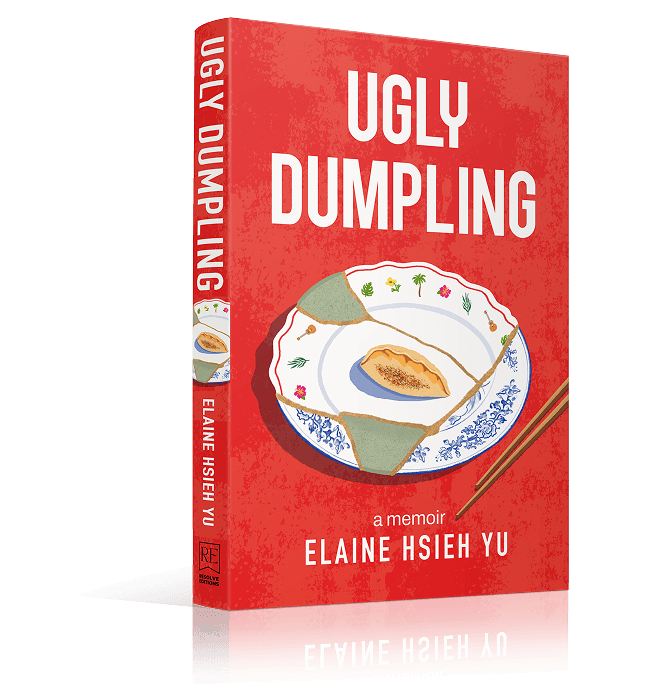
The title Ugly Dumpling comes from something imperfect that ultimately becomes meaningful. What experiences, relationships, or parts of Elaine's life seemed like flaws or setbacks at the time but later became sources of strength?
Looking back on the memoir as a whole, which scene stayed with you the longest—the canned food drive, the support of Elaine’s teachers in Baldwin Park, the outings with Donna, the summer in Taiwan, the discovery of her father’s diary entries, her arrival at Stanford, the care of her mother later in life, or another moment entirely? Why do you think that scene lingered?
© 2026 Elaine Hsieh Yu. All rights reserved.
Privacy
Contact